


10 Best Community Participation Activities
A good community activity can change the shape of a week. The right choice builds confidence, adds routine, creates genuine friendships and gives people more control over how they spend their time. When families ask about the best community participation activities, they are rarely looking for something to simply fill a calendar. They want options that feel safe, meaningful and matched to the participant’s goals.
For NDIS participants, community participation works best when it is personal. A busy group setting may suit one person perfectly, while another may do better starting with a smaller, quieter activity and building up over time. That is why the most effective activities are not always the loudest or most popular ones. They are the ones that support confidence, independence and connection in a way that feels realistic and sustainable.
What makes community participation worthwhile?
The value of community participation is not only social. It can support communication, emotional wellbeing, decision-making, travel skills, physical health and daily living confidence. For some people, joining a community activity is a first step towards broader independence. For others, it is about reducing isolation and feeling part of something outside the home.
There is also a practical side. Activities that happen regularly can help participants build routine, practise turn-taking, manage transitions and strengthen problem-solving skills. Families and carers often notice that the right program improves more than social confidence. It can also support mood, motivation and resilience.
Still, not every activity is a good fit. Some settings can be overstimulating. Others may look appealing but offer little structure or support. The best results usually come from choosing activities with clear purpose, appropriate supports and room for the participant to progress at their own pace.
10 best community participation activities to consider
1. Group recreation programs
Structured group recreation programs are often among the best community participation activities because they combine social interaction with clear routines. This might include games, creative tasks, fitness sessions or themed group days. The structure matters. It helps participants know what to expect and lowers the stress that can come with unplanned social situations.
These programs can suit children, teens and adults, but group size and pacing make a big difference. Some participants enjoy energetic sessions with lots of movement, while others do better in smaller groups with a steady rhythm and extra support.
2. Art and craft classes
Creative activities give people a way to participate without the pressure of constant conversation. Painting, drawing, pottery, craft and other hands-on sessions can support fine motor skills, focus and self-expression while still offering social connection.
This can be especially helpful for participants who find traditional social settings challenging. The activity itself creates a natural shared focus, which often makes interaction feel easier and more comfortable.
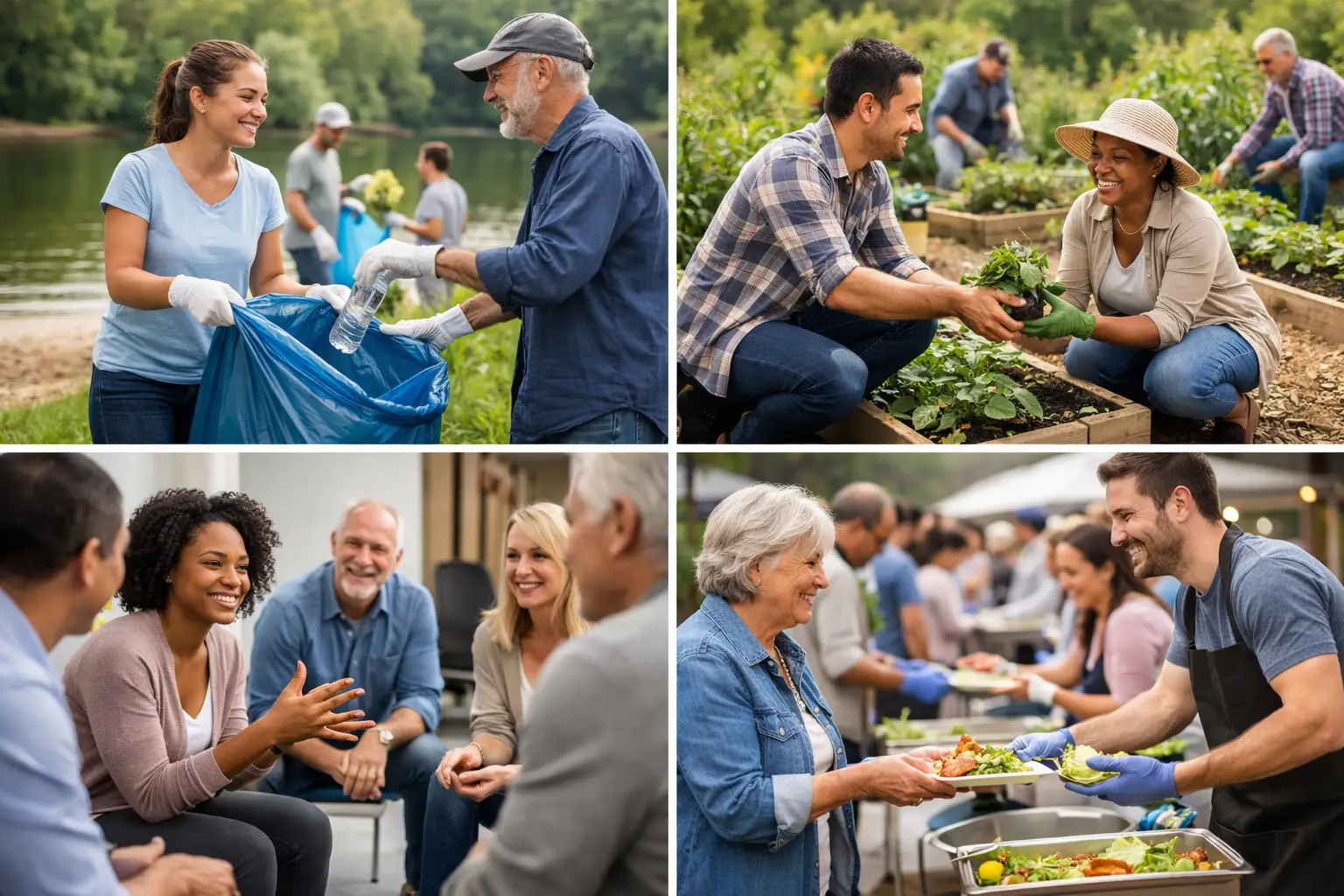
3. Community gardening
Gardening offers a strong mix of practical skill-building and wellbeing benefits. Participants can learn to plant, water, maintain garden beds and work alongside others on shared tasks. It is active without being overly intense, and it often feels purposeful because there is a visible result.
For many people, outdoor environments are also calmer than crowded indoor spaces. That can make community gardening a good option for participants who need lower-sensory settings.
4. Cooking groups
Cooking groups are valuable because they connect community participation with everyday independence. Participants can practise planning, following steps, food preparation, kitchen safety and teamwork, all within a social environment.
There is also a strong sense of achievement in making and sharing food. For some participants, cooking groups become a comfortable bridge between supported activities and more independent living skills.
5. Sports and movement-based activities
Sport does not have to mean high competition. Walking groups, yoga, dance, swimming, modified sports and light fitness sessions can all be excellent ways to build confidence and social connection.
The best option depends on physical ability, sensory needs and personal interest. Some people enjoy the energy of team sports. Others prefer individual activities completed alongside peers. What matters most is that the participant feels included rather than pressured.
6. Volunteering opportunities
Volunteering can be one of the most meaningful choices for participants who want to contribute to their community in a practical way. It builds responsibility, confidence and sometimes work-related skills as well.
That said, volunteering needs the right match. The role should be clear, achievable and supported where needed. When expectations are realistic, volunteering can help participants feel valued and connected to something bigger than themselves.
7. Library and learning-based programs
Libraries and community learning spaces often run quiet, structured activities such as reading groups, digital literacy sessions, craft workshops and local events. These can be a strong fit for participants who prefer calmer environments or want to build confidence in small steps.
They are also useful for practising community access skills, such as travelling to a venue, following a schedule and engaging with staff or peers in a familiar public space.
8. Music and performance activities
Music groups, drumming circles, singing sessions and basic performance classes can support confidence, listening skills and emotional expression. Participants do not need to be naturally outgoing to benefit. In fact, music often helps people engage in ways that feel less direct and more enjoyable.
Some participants love the excitement of performing. Others prefer simply taking part in rehearsals or group practice. Both can be valuable.
9. Social outings and community access trips
Planned outings to cafes, parks, museums, markets or local events can be highly effective when they are more than just a day out. With the right support, these outings become chances to practise communication, money handling, road safety, decision-making and flexibility.
This is where individual goals really matter. One participant may focus on ordering food independently. Another may work on catching public transport or building confidence in unfamiliar places. A simple outing can support many skills at once.
10. School holiday and short-term group programs
For children and young people, school holiday programs can offer a practical and engaging way to stay connected during breaks. They help maintain routine, encourage friendships and reduce long periods of isolation at home.
These programs work best when they balance fun with structure. A well-run holiday program can support social confidence, emotional regulation and community participation in a way that feels natural rather than forced.
How to choose the best community participation activities
The best activity is not always the one with the fullest schedule or the biggest group. It is the one that matches the participant’s interests, support needs and current stage of confidence. If someone enjoys animals, a nature-based or outdoor activity may be more effective than a large indoor group. If a participant is working on communication, a smaller program with predictable interaction may be better than a noisy social event.
It also helps to think about readiness. Some participants are prepared for regular weekly groups. Others may need to begin with short sessions, one-to-one support or familiar environments before trying something broader. That is not a setback. It is often the most sensible path to long-term participation.
Families should also consider practical factors such as transport, timing, accessibility, staff support and cultural comfort. A great activity on paper can still fail if it is too hard to get to, too draining at the wrong time of day or not suited to the participant’s communication style.
Why support matters just as much as the activity
Even the best community participation activities can fall flat without the right support around them. A participant may need help preparing for the session, understanding what to expect, managing transitions or reflecting afterwards on what went well. These small steps often make the difference between an activity that feels overwhelming and one that becomes a valued part of life.
Good support is not about taking over. It is about building confidence, reducing barriers and helping the participant do as much as possible for themselves. Over time, that may mean less prompting, greater independence and stronger community connection.
For many NDIS participants and families, integrated support can make the process easier. A provider that understands community participation in the context of broader goals such as daily living skills, social confidence and capacity building can help activities feel purposeful rather than random.
Community participation should feel meaningful
There is no single answer to what community participation should look like. Some people thrive in lively group programs. Others prefer quiet, practical or creative settings. What matters is that the activity respects the person, supports their goals and gives them a genuine chance to belong.
The best starting point is usually simple: choose one activity that feels achievable, build from there and allow confidence to grow over time. Meaningful participation is rarely about doing more for the sake of it. It is about finding the spaces where a person can feel capable, included and more like themselves.