




Best SIL House Features for Independent Living
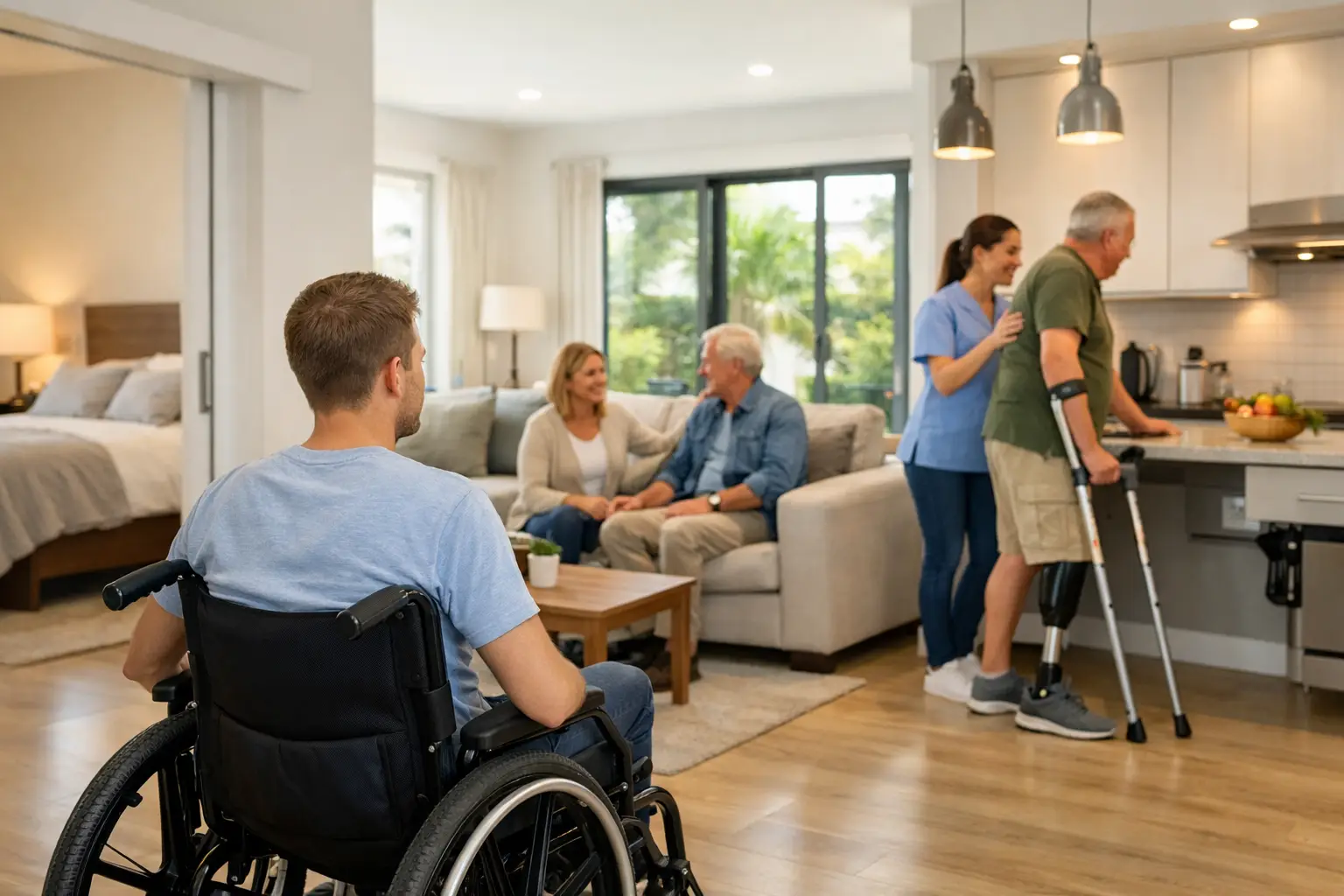
A SIL home is not simply a place where support is available. It is where you wake up, prepare meals, welcome visitors, build routines and make choices about your day. The best SIL house features are therefore the ones that make daily life feel safer, more comfortable and more your own – while providing the right level of support when you need it.
For NDIS participants, families and guardians, choosing Supported Independent Living can feel like a significant decision. The right home is rarely defined by one feature alone. It comes down to the fit between the property, the people who live there, the support team and the goals that matter to you.
What makes a SIL house the right fit?
Supported Independent Living, often called SIL, funds the paid support a person may need to live as independently as possible. This can include help with personal care, cooking, household tasks, building daily living skills and overnight support. It does not automatically pay for the house itself, rent or everyday living expenses.
That distinction matters when comparing homes. A modern property may look appealing, but it may not suit your support needs, mobility, communication preferences or lifestyle. Equally, a home with the right staff roster can still feel unsuitable if it is noisy, inaccessible or far from the people and activities that are important to you.
A good SIL option should be considered through a practical, person-centred lens: can you live safely here, have a say in your routines, develop skills and feel at home?
Best SIL house features to look for
Accessible design that supports everyday movement
Accessibility should make ordinary tasks easier rather than drawing attention to the building itself. For some people, this may mean step-free entry, wide doorways, level flooring, accessible bathrooms and enough room to move safely with mobility equipment. A well-designed kitchen may have clear bench space, easy-to-reach storage and appliances positioned to support participation.
Not everyone needs a fully modified home. The best arrangement depends on your functional needs now and how these may change over time. If you use a wheelchair, walker, hoist or other equipment, ask to see how it works in the actual space rather than relying on a floorplan. Check entrances, hallways, bathrooms, outdoor areas and vehicle access.
Good lighting, secure handrails, non-slip surfaces and thoughtful bathroom layouts can also reduce risks without making a home feel clinical. Features should support confidence, not restrict independence.
A safe home without losing privacy
Safety is essential, particularly where participants need support with medication, cooking, personal care, behaviours of concern or overnight needs. However, safety should never mean losing dignity or control over your personal space.
Look for a home where bedrooms are private, secure and large enough for your belongings. Ask how staff knock before entering, how personal information is handled and what support is available if you are unwell, worried or need assistance during the night. If the home uses security measures, such as gates, alarms or cameras in common areas, the provider should explain why they are needed and how privacy is protected.
A suitable SIL house has clear emergency arrangements, including evacuation plans, first aid processes and staff who know how to respond calmly. It should also feel like a home, not a service site. You should be able to relax in your own room, spend time in shared spaces and have visitors in line with agreed house arrangements.
Support that matches your needs and goals
The most valuable feature of a SIL home is often not a physical feature at all. It is the quality and consistency of the support provided there.
Before moving in, ask what support is available across the day and night. Is there active support, where staff are awake and available, or an arrangement such as sleepover support? How are staff matched to residents? What happens if your needs change, or if a regular worker is away?
The answers should be specific. A provider should be able to explain how they support your individual goals, whether that is learning to cook a few meals, managing appointments, improving personal care skills, using public transport or becoming more involved in the community.
At Arise Services, person-centred planning means looking beyond tasks. The right support should help participants build capacity at a pace that feels achievable, while still providing dependable assistance where it is needed.
Compatibility with housemates and household routines
Shared living can offer friendship, shared activities and a sense of belonging. It can also be challenging when people have very different schedules, communication styles, sensory needs or expectations about shared spaces.
A good provider takes housemate compatibility seriously. This includes considering age, interests, lifestyle, support needs and whether someone prefers a quiet home or a more social environment. It is reasonable to ask who currently lives in the house, how shared decisions are made and whether you can meet potential housemates before making a commitment.
Ask about routines too. When do people usually eat? Are there agreed quiet times? How are cleaning, shopping and use of common areas organised? You do not need to have identical interests to live well with others, but there should be respect for each person’s preferences and right to feel comfortable at home.
A location that keeps you connected
The right location can make a meaningful difference to independence. Consider how close the home is to family, friends, work, study, medical appointments, shops, community groups and public transport. For participants in Perth and regional Western Australia, transport options may be particularly important when regular services are spread across a wide area.
A house near a bus route may be useful for one person, while another may need safe parking, reliable support to attend appointments or easy access to a familiar local area. Think about the places you already value, not only the property itself.
A home should support community participation, not make it harder. Ask how staff assist residents to attend activities, maintain relationships and explore interests outside the house.
Personal choice in your own space
A SIL home should leave room for your personality. Being able to choose how your bedroom is arranged, display photos, bring favourite furniture or decide what you cook can make a new home feel genuinely yours.
Ask what you can bring, whether rooms can be personalised and what the process is for making reasonable changes to the space. It is also helpful to understand how household decisions work, from meal planning to shared outings. Choice may look different in every home, but it should be real and practical rather than something mentioned only in paperwork.
Questions to ask at a SIL house visit
A visit gives you information that brochures cannot. Take your time walking through the property and notice how it feels. Is it calm, clean and welcoming? Can you picture yourself using the kitchen, bathroom and living areas?
It is useful to ask how staff are trained, how rosters are managed and how concerns are addressed. You may also want to ask about vacancy arrangements, tenancy agreements, rent and board costs, and what happens if the placement is no longer suitable. Clear answers show respect and help prevent surprises later.
Bring a family member, friend, advocate or support coordinator if that would help you feel more confident. They may notice practical details that are easy to miss during an emotional or busy visit.
Remember that the right home can change
Your needs, preferences and goals may change over time. A home that suited you when you first moved in may no longer be the best fit after you build new skills, begin work, experience changes in health or want more privacy. This is not a failure. It is part of making sure your support continues to work for you.
The strongest SIL arrangements make room for honest conversations, regular reviews and gradual growth. Whether you are considering your first supported home or looking for a better fit, choose a place where you are treated as a person with goals, preferences and a future – not simply as someone who needs a bed and a roster.