




Future of NDIS Housing Supports for Better Living
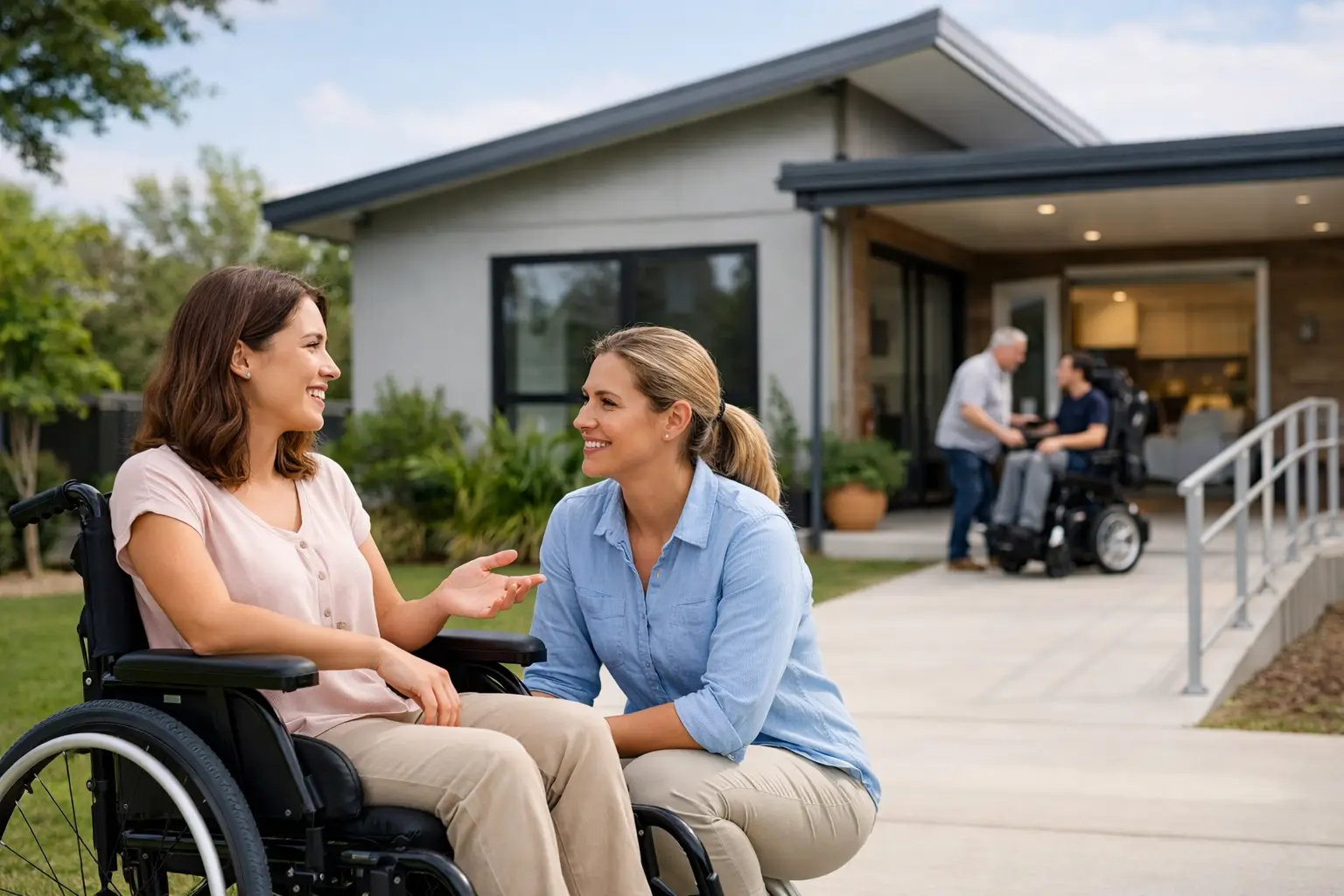
A home can make everyday goals feel possible or put them further out of reach. The future of NDIS housing supports is not simply about finding a place to live. It is about creating living arrangements where participants have genuine choice, reliable assistance and the right environment to build independence at their own pace.
For participants, families and carers, housing decisions can feel high stakes. A change in support needs, a family carer’s capacity, an inaccessible property or an unplanned hospital stay can quickly make a current arrangement unsuitable. The strongest housing supports of the future will respond earlier, connect more effectively with therapy and coordination, and keep the participant’s goals at the centre of every decision.
Housing support is becoming more individual
For a long time, disability accommodation conversations were often framed around vacancies, rosters and what was available nearby. Availability still matters, particularly when a person needs urgent support, but it should not be the starting point. The starting point should be how someone wants to live.
One participant may want to share a home with one or two compatible housemates while receiving daily support. Another may be working towards living more independently in their own rental. A young person may need a short-term stay while their family adjusts to a new care situation. Someone with psychosocial disability may need a calm, predictable environment that supports recovery, routine and connection without taking away control.
This shift means providers, support coordinators and allied health professionals need to ask better questions. What does a good morning look like for this person? Who do they want close by? What support is helpful, and what feels intrusive? Which skills do they want to practise? Housing is not a service category in isolation. It shapes employment, relationships, health, community participation and confidence.
The future of NDIS housing supports will rely on connected planning
A well-matched home is only one part of the picture. Support arrangements work best when accommodation, daily living assistance, therapy and plan coordination are working towards the same goals.
For example, an occupational therapist may identify changes that make a home safer or easier to use, such as access improvements, bathroom modifications or assistive technology. A support coordinator can help the participant understand available options and bring the right people together. Support workers can then help turn recommendations into daily habits, whether that is preparing meals, managing appointments, using public transport or building confidence with household tasks.
This connected approach is likely to become more valuable as participants and families expect clearer outcomes from their supports. It also reduces the burden of repeating personal information to several different services. At Arise Services, integrated support across accommodation, coordination and allied health can help make those conversations more practical and consistent.
Connected planning does not mean one provider must deliver everything. In some cases, a participant may prefer different providers for different supports, and that choice should be respected. What matters is clear communication, consent-based information sharing and a shared understanding of the participant’s goals.
More choice needs to mean more than a vacancy
Choice and control are central to the NDIS, yet choice can feel limited when there are few suitable properties, supports are scarce, or a family is facing a crisis. The future should bring a wider range of housing pathways rather than a one-size-fits-all model.
Supported Independent Living, known as SIL, will remain important for people who need significant help with everyday tasks at home. However, SIL is not the right option for everyone, and it is not a housing type itself. A participant may receive SIL in a shared home, a more individual arrangement or another setting that meets their needs.
Short Term Accommodation can provide a planned break, a chance to develop skills away from home, or support during a transition. Medium Term Accommodation may be suitable when a person has an approved longer-term housing solution in progress but needs somewhere appropriate to stay in the meantime. Specialist Disability Accommodation can be life-changing for eligible participants with very high support needs, but eligibility is specific and funding decisions are based on individual circumstances.
The key is to avoid treating any option as a default. A shared home may offer friendship, security and round-the-clock assistance for one person. For another, it may reduce privacy or create stress. Living alone may offer freedom, but it can also require reliable informal supports, suitable technology or a carefully planned roster. Good advice acknowledges both the opportunities and the trade-offs.
Building skills without removing autonomy
The most effective support does not take over tasks a person could learn to do with the right assistance. It creates safe opportunities to practise.
That could mean a worker supporting someone to plan a weekly shop rather than completing it for them. It could mean using visual routines to build confidence with laundry, cooking or medication prompts. For a person with psychosocial disability, it may mean gradual support to re-establish a sleep routine, attend a local activity or manage the demands of a tenancy.
Independence is not measured by doing everything alone. It is measured by having as much control as possible over daily life, with support available when it is needed. Housing providers will need to design rostering, routines and staff training around this principle rather than around convenience alone.
Technology will support safer, more flexible living
Technology is likely to play a larger role in NDIS housing, particularly where it improves safety and gives participants greater privacy. Smart lighting, automated doors, communication devices, medication reminders, sensor systems and environmental controls can make daily tasks more manageable for some people.
Technology is not a replacement for human support, relationships or skilled judgement. A monitoring device may help alert a worker to a risk, but it cannot replace a conversation with someone who knows the participant well. It also raises important questions about privacy, consent and who has access to information.
The best use of technology starts with the person, not the device. It should solve a real problem, be easy to use and sit within a broader support plan. An occupational therapy assessment can be particularly valuable when considering whether assistive technology or home modifications may improve independence.
Workforce quality will shape the home experience
A home can have the right layout and funding, yet still feel unsettled if support is inconsistent. Participants need workers who are reliable, respectful and skilled in the specific support they provide. Families also need confidence that staff understand routines, communication preferences, cultural needs and what matters to the person.
The future of NDIS housing supports will depend on stronger workforce continuity. This includes thoughtful matching of support workers, clear handovers, training in complex needs and trauma-informed practice, and greater attention to cultural safety. In multicultural communities across Western Australia, being understood can be as important as being assisted. Language, food, family roles and community connections should be part of housing planning where they matter to the participant.
Consistency does not mean participants should be locked into the same arrangement forever. Needs change. A person may gain skills, experience changes in health, want to move closer to family or decide they would prefer a different household. Quality providers make it easier to raise concerns and review supports before a situation reaches crisis point.
Start planning before housing becomes urgent
Housing transitions are easier when they are planned gradually. Families can begin by discussing the participant’s preferences, daily support needs, non-negotiables and longer-term goals. Keeping notes from allied health assessments, incident records and daily support observations can also help show why a particular arrangement may be reasonable and necessary.
It is useful to consider practical questions early: Is the current home accessible? What happens if a main carer becomes unwell? Would a short stay help the participant experience a different routine? Are there skills that could be built now to widen future options? These discussions can be emotional, especially when a young adult is preparing to move out of the family home, but delaying them can reduce choice later.
A responsive provider can help participants and families understand their options, prepare for transitions and adjust supports as circumstances change. The goal is not to rush someone into a housing model. It is to create a stable path towards a home life that feels safe, capable and genuinely their own.
The right next step may be as small as starting a conversation about what independence looks like for you or the person you support. That conversation can become the foundation for choices that feel more confident, more practical and more personal over time.