



Group Activity Programs for Disability That Work
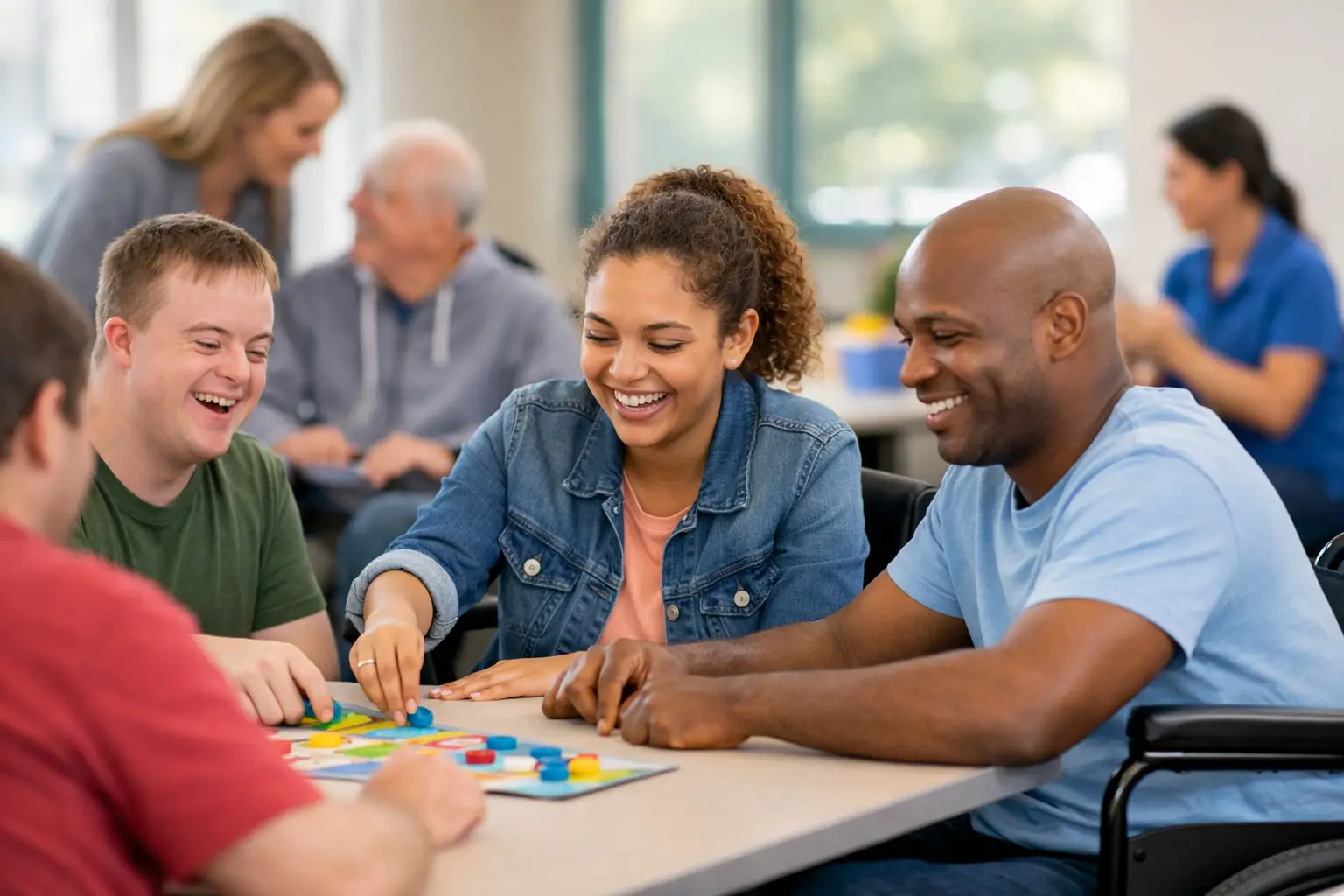
A good group program is never just about filling time. For many participants and families, group activity programs for disability are where confidence starts to grow, routines become easier to manage, and social connection feels more natural instead of forced.
The difference comes down to how the program is designed. When activities are built around participant goals, support needs and personal interests, group settings can do far more than offer a change of scenery. They can create real opportunities to practise communication, build daily living skills, develop friendships and enjoy a stronger sense of independence.
Why group activity programs for disability matter
Group programs can be powerful because they combine structure with connection. One person may join to improve social confidence. Another may be working on emotional regulation, community access or trying new activities outside the home. Someone else may simply want more consistent opportunities to be around peers in a supportive environment.
That variety matters. Disability support is never one-size-fits-all, and group settings should not treat participants as if they all want the same outcome. The best programs recognise that people join for different reasons and need different levels of support to participate comfortably.
For children and teens, group activities can help with turn-taking, communication, building friendships and confidence in shared spaces. For adults, the value may sit more in community participation, routine, capacity building and reducing isolation. For participants living with psychosocial disability or mental health-related support needs, the right group can also provide predictability and gentle encouragement without overwhelming pressure.
There is also a practical benefit for families and carers. A well-run program gives everyone more confidence that support is happening in a safe, purposeful and respectful setting. That reassurance matters, especially when families are trying to balance appointments, school, work, home responsibilities and the broader demands of an NDIS plan.
What makes a quality group program
Not every group program delivers the same outcome. Some are engaging and well matched to participant goals. Others can feel too broad, too busy or poorly suited to the people attending. That is why quality matters just as much as activity type.
A strong program starts with person-centred planning. Participants should not be expected to fit into a rigid format if the format does not work for them. Support needs, communication style, sensory preferences, mobility, confidence levels and cultural background all shape what meaningful participation looks like.
The environment also plays a major role. Some participants thrive in lively, high-energy settings. Others do better in smaller groups with a calmer pace and clearer routines. Neither approach is better across the board. It depends on the individual, the activity and the support available.
Staff capability is another key factor. Participants need support workers who know when to step in, when to step back and how to encourage independence without creating stress. In practice, that means understanding behaviour support, communication differences, emotional regulation, safety and relationship building.
Good programs also have a purpose beyond attendance. An art session may support fine motor development, communication and self-expression. A cooking activity may help with planning, teamwork and daily living skills. A community outing may build travel confidence and social participation. The activity itself matters, but the outcome behind it matters more.
The benefits participants often notice first
The first signs of progress are not always dramatic. Sometimes it is as simple as a participant feeling more comfortable leaving the house, joining a conversation or trying something unfamiliar.
Over time, those moments can build into bigger changes. Many participants develop stronger communication skills because they are interacting regularly with peers and support staff in a shared setting. Others become more confident making choices, following routines or asking for help when they need it.
There can also be important flow-on effects at home and in the community. A participant who feels more secure in group activities may become more confident attending appointments, taking part in local events or exploring other supports. Families often notice improved mood, greater willingness to engage and a stronger sense of independence in everyday life.
That said, progress is not always linear. Some participants settle in quickly, while others need time, consistency and the right support approach before they feel comfortable. A quality provider understands that adjustment period and does not treat a slower start as a failure.
Choosing the right group activity programs for disability
When families or participants are comparing options, the most useful question is not simply, “What activities are offered?” It is, “Will this program suit the person attending?”
A popular activity is not automatically the right fit. A participant who enjoys creative work may still struggle if the group is too large. Someone who wants social connection may still need a predictable structure and clear support to feel safe enough to engage. A school holiday program may be ideal for one child and too stimulating for another.
It helps to look closely at how the provider plans and delivers support. Ask how groups are matched, what staff-to-participant ratios look like, how support needs are managed and whether activities are adapted for different abilities. It is also worth asking how the program supports participant goals rather than focusing only on attendance.
Communication with families and support networks should be clear and respectful. You should feel confident that the provider understands the participant as a person, not just as a booking. That includes knowing their strengths, interests, triggers, routines and preferred ways of communicating.
For many people, practical access also shapes the decision. Availability, transport considerations, session times and responsiveness all matter. If a provider is difficult to reach or slow to arrange supports, it can create unnecessary stress before the program even begins.
Different program types and who they may suit
The right format depends on age, goals and support needs. Centre-based programs can work well for participants who benefit from routine, familiar surroundings and structured activities. They often provide a stable environment for skill building and social interaction.
Community-based activities may suit participants who are ready to build confidence in public settings. These programs can support community access, communication, travel practice and social participation in real-world environments. For some people, that step into the community is highly valuable. For others, it may need to happen gradually.
School holiday programs can be especially helpful for children and families looking for meaningful engagement during breaks. When planned well, these programs offer more than entertainment. They can support social development, confidence and continuity during a period when regular routines change.
Smaller therapeutic or skills-focused groups may be better for participants who need a quieter setting or more targeted support. This can be particularly useful for people who are building emotional regulation, communication or independent living skills and may not feel comfortable in larger social groups.
How group programs fit within an NDIS plan
Group activities are often part of a broader support picture. They can sit alongside therapies, support coordination, psychosocial recovery coaching, daily living supports or accommodation services depending on a participant’s goals and funding.
What matters is that the program is linked to meaningful outcomes. Social and community participation is not separate from independence. In many cases, it is one of the ways independence grows. Learning to communicate in a group, manage transitions, follow routines, solve small problems and build relationships can support progress across many parts of life.
This is where an integrated provider can make things easier. When the team understands the participant across different supports, goals can be reinforced more consistently. A participant who is working on confidence, emotional wellbeing and community participation may benefit from group activities that align with the wider plan rather than operating in isolation.
At Arise Services, that person-centred approach matters because participants often need support that is both practical and flexible. A program should meet people where they are now while helping them move towards where they want to be.
What families and participants should expect
A good provider should make the process feel clear from the start. That includes explaining what the program involves, who it is suited to, how support is delivered and what participants can expect from each session.
You should also expect honesty. Sometimes a program is not the right fit, or it may be better as a future step rather than an immediate one. A trustworthy provider will say so. The goal is not to place someone into any available group. The goal is to support participation in a way that is safe, meaningful and sustainable.
When the fit is right, group programs can become an important part of everyday progress. They can offer routine, enjoyment, social connection and practical skill development in a setting that feels welcoming rather than clinical.
For many participants, that is where real momentum begins – not through pressure, but through the steady experience of being included, supported and encouraged to grow at their own pace.