



Multicultural Disability Support Perth Needs
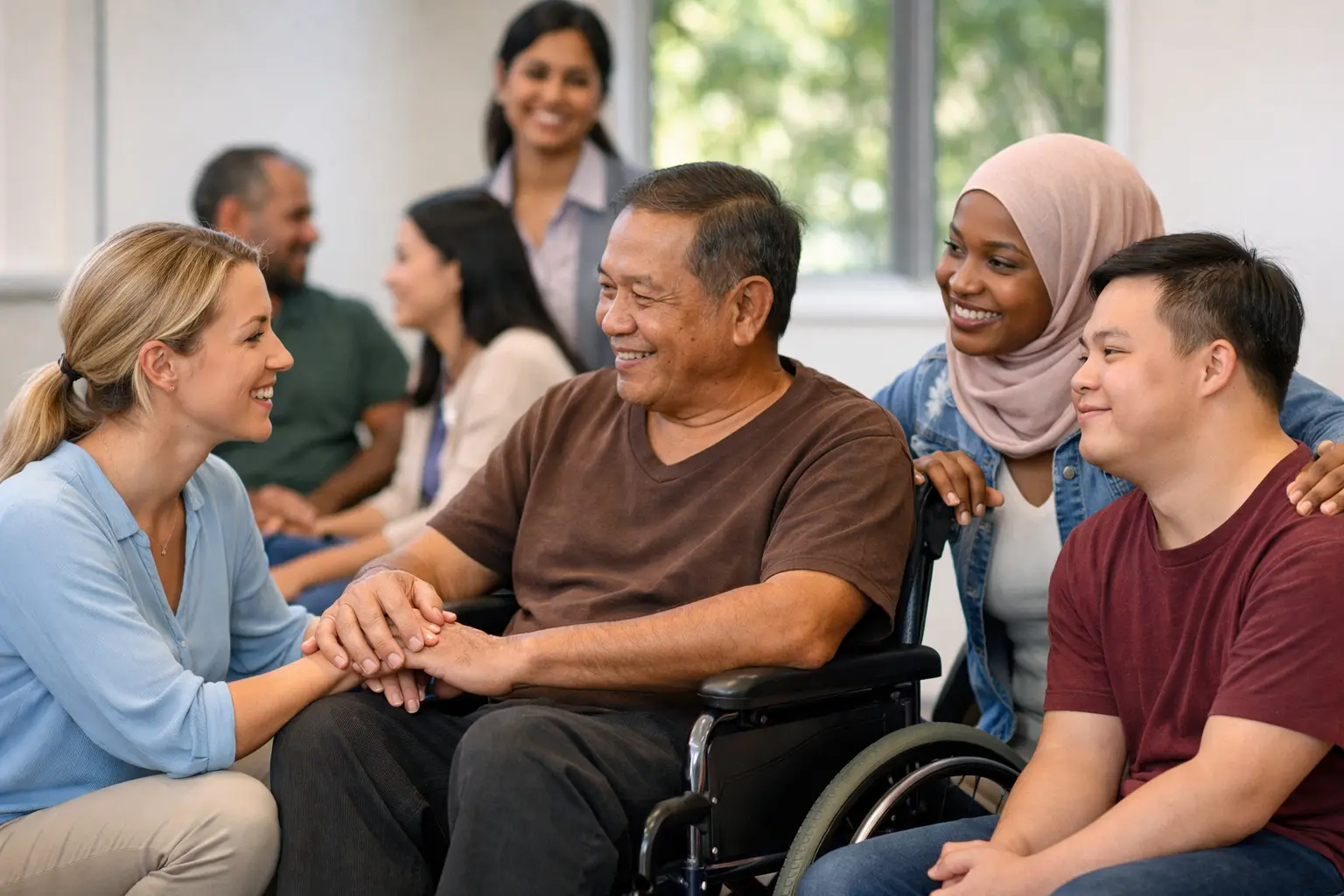
When a support worker understands your language, your family dynamics, and the small cultural details that shape daily life, care feels different. For many participants and families, multicultural disability support Perth services are not a preference added on top – they are a practical part of feeling safe, heard, and able to make clear decisions.
Disability support works best when it fits the person, not when the person is expected to fit the service. That matters even more in a city as diverse as Perth, where participants come from many cultural, linguistic, and faith backgrounds. A provider may offer the right service on paper, but if communication is strained or cultural needs are overlooked, the support can feel harder to use and less effective over time.
Why multicultural disability support in Perth matters
The NDIS is built around choice and control, but real choice depends on understanding your options. If a participant or family is trying to discuss personal care, mental health, routines at home, or longer-term goals through language barriers, important details can be missed. That can affect everything from day-to-day comfort to plan implementation.
Cultural understanding also shapes trust. Some families are very involved in decision-making. Others may have concerns about outside support entering the home. Some participants may want a worker of a particular gender, or support that respects religious practices, food requirements, community expectations, or communication styles. These are not minor issues. They affect whether support is accepted, continued, and genuinely useful.
In practice, multicultural support means more than simply speaking another language. It means recognising how culture can influence independence, privacy, family roles, community participation, and the way disability itself is understood. Good providers do not make assumptions. They ask, listen, and adjust support around the participant’s goals.
What good multicultural disability support Perth families can expect
Strong support should feel personalised from the beginning. That includes how information is explained, how appointments are arranged, and how care is delivered in the home, community, or accommodation setting. A responsive provider will take time to understand what matters to the participant and who should be involved in the conversation.
Clear communication is the first sign that a service is likely to be a good fit. That might mean bilingual staff, culturally aware support workers, or a team that knows how to explain NDIS processes in a straightforward way without jargon. Families should not feel rushed or left to work things out alone, especially when they are already managing complex needs.
Consistency matters as well. It is one thing to say a service is inclusive. It is another to provide support workers and coordinators who can build trust over time, respect household routines, and respond appropriately when needs change. For participants with psychosocial disability, autism, intellectual disability, physical disability, or complex support needs, familiar and culturally safe relationships often make daily support more stable and less stressful.
A broad service mix can also make a real difference. When one provider can assist with core supports, support coordination, psychosocial recovery coaching, accommodation, allied health, and community-based programs, participants often spend less time repeating their story to different organisations. That can reduce confusion and help support feel more joined up.
Where cultural understanding affects everyday support
Daily living support is one of the clearest examples. Personal care, meal preparation, transport, and help around the home all happen within a person’s routine and values. Food preferences may be linked to faith or culture. Household expectations may vary across generations. Privacy can be especially important when support takes place in shared family homes.
Community participation is another area where cultural understanding matters. A participant’s goal may not simply be to attend any activity outside the home. It may be to connect with a cultural community, attend faith-based events, join a familiar social setting, or build confidence in environments that feel comfortable and respectful. When support workers understand this, social participation becomes more meaningful.
Therapy and psychosocial supports also benefit from cultural awareness. Participants may describe distress, recovery, motivation, or independence in ways shaped by family and community values. A culturally responsive approach does not lower clinical standards. It strengthens outcomes by making support more relevant and easier to engage with.
Accommodation services such as SIL, STA, or MTA can carry similar considerations. Shared living arrangements, food practices, prayer routines, visitors, language preferences, and family involvement all affect whether a placement feels appropriate. A provider that takes these factors seriously is more likely to create a setting where the participant feels secure and respected.
How to choose the right provider
Families looking for multicultural disability support often start with one simple question: will this provider understand us? That is the right question, but it helps to go a little further.
Ask how the provider matches support workers to participants. A good match is not always about language alone. It can also involve personality, gender preferences, communication style, experience with specific disabilities, and confidence working with families from different backgrounds.
It is also worth asking how quickly support can begin. Delays can create added pressure for families who already need help with routines, transport, behaviour support, social participation, or accommodation planning. A provider with same day appointments and no waiting list may be able to reduce that pressure significantly, especially when urgent support is needed.
Find out whether services are flexible as needs change. A child may need school holiday programs now and different supports later. An adult participant may begin with core supports and then need support coordination, therapy, or accommodation options. A provider that can grow with the participant often makes the journey easier.
Most importantly, pay attention to how you are treated in the first conversation. Were your questions answered clearly? Did the team listen without making assumptions? Did they focus on the participant’s goals instead of pushing a standard service model? Trust usually starts there.
The balance between cultural fit and clinical quality
There can be a tendency to treat cultural fit and professional quality as separate issues, but they should work together. A friendly worker who shares a participant’s background may help build comfort quickly, but support still needs to be reliable, accountable, and aligned with NDIS goals. At the same time, a highly qualified service can still miss the mark if the participant feels misunderstood or unable to express what they need.
The strongest providers combine both. They offer qualified staff, clear processes, and dependable service delivery, while also recognising that participant outcomes improve when support is culturally responsive. That balance matters across all ages and support types.
For some families, a culturally matched worker will be essential. For others, what matters most is respect, patience, and a willingness to learn. It depends on the participant, the type of support, and the level of family involvement. A person-centred provider will not force one approach. They will work with what feels right for the individual.
A more confident NDIS experience
For many participants and carers, the hardest part is not only finding support. It is finding support that feels safe enough to use fully. When communication is clearer and cultural needs are respected, people are often more comfortable asking questions, setting goals, and speaking up when something is not working.
That can lead to better plan use, stronger daily routines, and more confidence in services over time. It can also reduce the sense of isolation some families feel when they are trying to manage disability support while also bridging language or cultural gaps.
At Arise Services, this is where a multicultural team and broad service offering can make a practical difference. Instead of sending families from one provider to another, support can be shaped around daily living, coordination, therapy, accommodation, and community participation in a way that stays focused on the participant.
The right support should never make you choose between professional care and cultural understanding. When both are present, people are often better placed to build independence, feel comfortable in their own routines, and move forward with greater confidence.