


Social and Community Participation NDIS
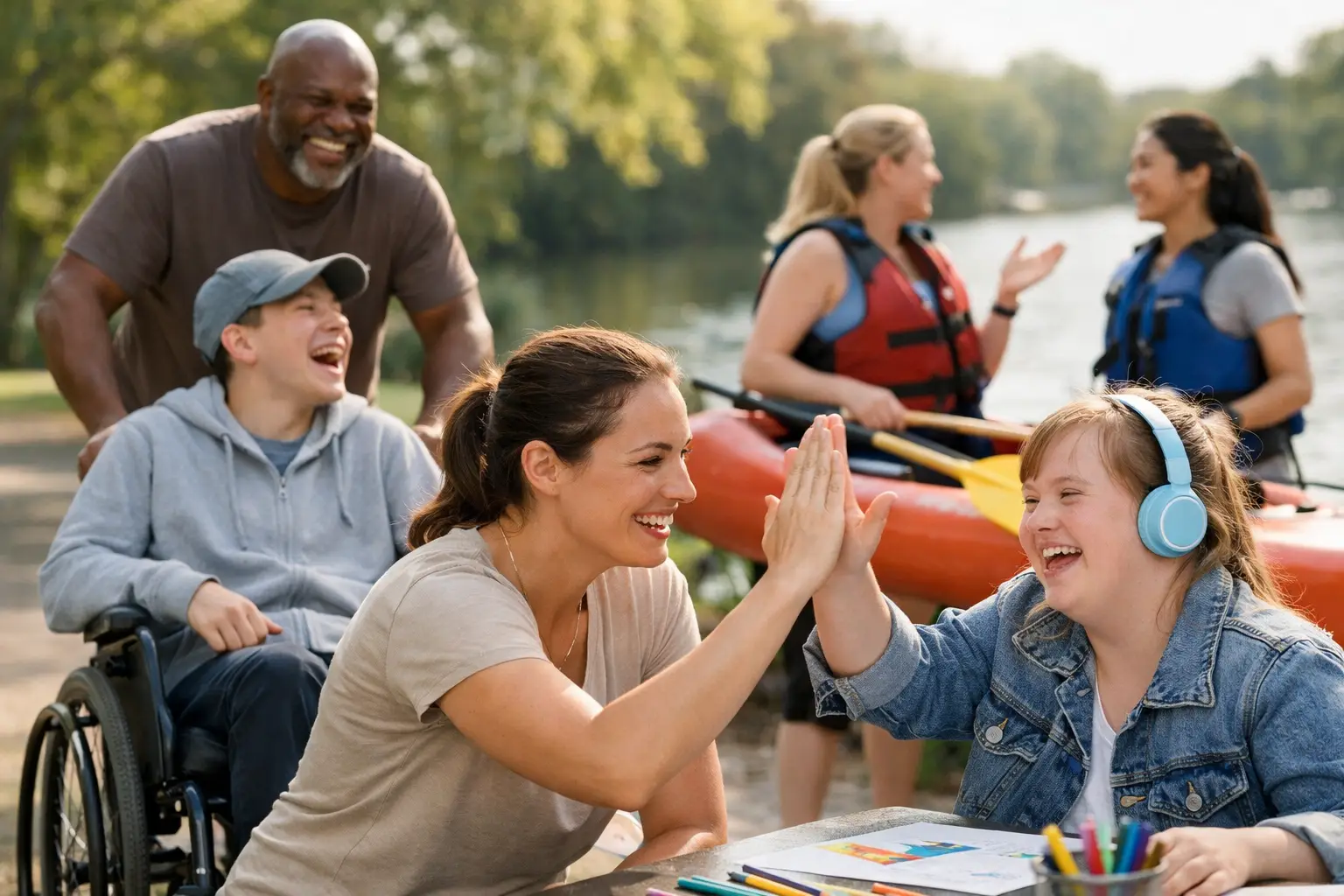
For many NDIS participants, progress does not start in a therapy room. It starts with catching a bus to a local group, joining a class for the first time, meeting people in a safe setting, or building enough confidence to say yes to an outing. That is where social and community participation NDIS support can make a real difference – by turning everyday experiences into practical steps towards independence.
This support is about far more than filling time in the week. Done well, it helps people build routines, strengthen communication, develop social confidence and feel more connected to their community. For families and carers, it can also bring peace of mind knowing participation is being supported in a way that is safe, personalised and matched to the participant’s goals.
What social and community participation NDIS really means
Under the NDIS, social and community participation generally refers to supports that help a participant take part in social, recreational and community-based activities. That might include attending a group program, joining a sport or hobby, going to community events, visiting the library, learning how to shop independently, or developing the skills needed to participate with greater confidence.
The key point is that the support should relate to a participant’s goals and functional needs. It is not simply about keeping someone busy. It is about helping them access the community in a meaningful way, with the right level of assistance.
For one person, that may mean having a support worker attend an art class alongside them until they feel comfortable. For another, it may be learning to use public transport, build conversation skills, or manage anxiety before and during social activities. The right support looks different for each participant because every person starts from a different place.
Why social and community participation matters
Social connection affects nearly every part of daily life. When someone feels confident leaving the house, meeting others and trying new activities, it often supports growth in other areas too. Communication can improve. Daily routines become easier to maintain. Decision-making and problem-solving can strengthen over time.
This is especially important for participants who have experienced isolation, mental health challenges, difficulty with mobility, or barriers related to communication and sensory needs. Community participation can reduce loneliness, build resilience and create a stronger sense of belonging.
There is also a practical side. Many social activities naturally build life skills. Going to a local group may involve planning the day, getting ready on time, travelling safely, handling money, managing emotions and interacting with unfamiliar people. These are real-world skills that support greater independence across home, education and work settings.
That said, more participation is not always better if the pace is wrong. Some participants thrive with a busy calendar. Others need gradual exposure, shorter sessions, or plenty of recovery time after social interaction. Good support is not about pushing people into activities that look positive on paper. It is about finding the right fit.
What this support can include
Social and community participation NDIS supports can look quite broad, but they usually work best when tied to clear outcomes. A participant may receive support to attend local events, join centre-based activities, take part in school holiday programs, visit community spaces, or build confidence in one-to-one outings.
In practice, support might involve help with transport, personal care before leaving home, assistance during an activity, emotional regulation, communication prompts, or skill-building after the activity has finished. Sometimes the support is mainly physical. Sometimes it is social or psychological. Often it is a mix of both.
Structured group programs can be valuable because they offer routine, familiarity and guided interaction. At the same time, one-to-one community access can be the better option for participants who are building confidence, managing psychosocial disability, or working towards specific personal goals. It depends on what feels achievable and worthwhile for the individual.
Choosing activities that actually support goals
A common mistake is choosing activities based only on what is available, rather than what matters to the participant. The better approach is to start with goals, interests and support needs.
If a participant wants to make friends, a regular group activity with familiar faces may be more useful than occasional large events. If the goal is independence, community access that includes shopping, travel training or ordering food may be more helpful. If confidence is low, beginning with quieter environments can lead to better long-term results than starting with crowded spaces.
Age and stage of life matter too. Children may benefit from school holiday programs or play-based social opportunities. Teenagers often want a balance of independence and support, especially around peer relationships. Adults may be focused on building routines, joining community groups, exploring hobbies or preparing for employment.
Families and carers usually know what has or has not worked in the past. Their insight is valuable, but the participant’s preferences should remain central. A support plan works best when it reflects the person’s own interests, cultural background, comfort level and goals for the future.
How support workers make participation easier
The quality of support matters just as much as the activity itself. A capable support worker does more than provide transport or supervision. They help create the conditions for genuine participation.
That can mean encouraging choice, noticing signs of stress early, adjusting the pace, and helping the participant build skills over time rather than doing everything for them. The aim is not dependence on support. The aim is increasing confidence and capacity where possible.
For participants from culturally diverse backgrounds, feeling understood can shape the whole experience. Communication style, family expectations and community preferences can all influence what participation feels safe and meaningful. A multicultural team can help reduce those barriers and make it easier for participants and families to engage with support in a way that feels respectful and familiar.
Consistency also matters. When participants work with support staff who understand their goals, routines and triggers, it is easier to build trust. That trust often becomes the foundation for trying new things.
Social and community participation NDIS funding explained simply
Funding for social and community participation NDIS supports is often found in Core Supports, particularly within Assistance with Social and Community Participation. In some cases, supports that build confidence and skills may also connect with Capacity Building goals, depending on the participant’s plan and needs.
What is funded will depend on the plan, the wording of the goals and whether the support is considered reasonable and necessary. There is not a single answer that applies to everyone. Two participants may both want to join community activities, but the funded supports around that can look quite different based on disability-related needs.
This is where good plan implementation becomes important. If the wording in a plan feels unclear, or you are unsure how to use funding in a practical way, speaking with a provider or support coordinator can help turn broad goals into real options.
Getting the most from community participation support
The most successful outcomes usually come from a steady, personalised approach. Start with what feels achievable, then build from there. A small step that happens consistently is often more valuable than an ambitious plan that creates stress and falls away after two weeks.
It also helps to review progress regularly. Is the participant enjoying the activity? Are they building confidence? Do they need more support, less support, or a different setting altogether? Good services do not treat community participation as a set schedule that never changes. They adjust when goals, interests or circumstances shift.
At Arise Services, this kind of support works best when it is connected to the bigger picture – daily living skills, therapy goals, accommodation needs, recovery goals and the participant’s own idea of a good life. That joined-up approach can make community participation feel less like a standalone service and more like part of genuine progress.
Social connection looks different for everyone. For some, it is joining a group and making friends. For others, it is simply feeling confident enough to step into the community more often. Both matter, and both are worth building towards, one meaningful step at a time.