




Supported Independent Living NDIS Explained
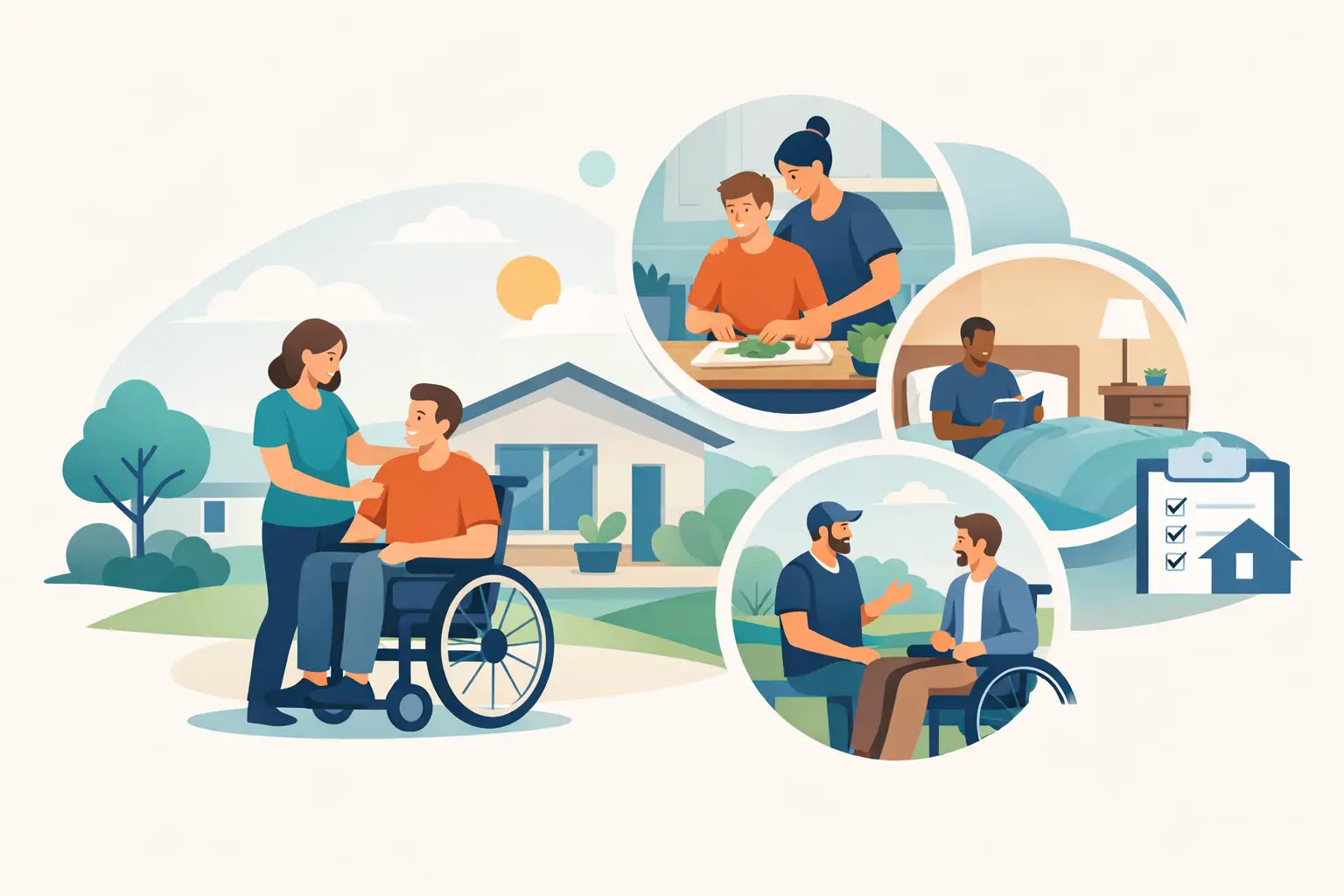
A good home can change everything. For many participants and families, the biggest question is not just where someone will live, but how they will live well – with the right balance of independence, safety, routine and support. That is where supported independent living NDIS arrangements can make a real difference.
Supported Independent Living, often called SIL, is an NDIS support that helps people with disability live as independently as possible while receiving help with everyday tasks. It is usually provided in a shared home, although some participants may receive SIL in other living arrangements depending on their needs and circumstances. The focus is not simply on having staff nearby. It is about building a stable home environment where participants can develop skills, make choices, and feel more confident in daily life.
What supported independent living NDIS actually means
SIL is designed for participants who need regular support at home, often across the day, overnight, or both. That support can include help with personal care, meal preparation, household tasks, taking medication, getting ready for appointments, or developing routines that make daily living more manageable.
What SIL does not mean is giving up independence. In fact, the aim is the opposite. The right SIL arrangement should support a person to do more for themselves over time where possible, while also recognising that some people will always need a high level of daily assistance. Independence looks different for everyone. For one person, it might mean learning to cook simple meals. For another, it could mean choosing their own schedule, managing relationships in a shared home, or taking part in community activities with greater confidence.
SIL funding usually covers the support staff who assist with daily living. It does not generally cover everyday living costs such as rent, groceries, utility bills or personal expenses. This distinction can catch families off guard, so it helps to ask early what is funded through the NDIS and what remains the participant’s responsibility.
Who is SIL best suited to?
Supported independent living NDIS funding is usually considered for participants with higher support needs who require significant help to live safely at home. That may include people living with intellectual disability, physical disability, autism, acquired brain injury or psychosocial disability, depending on their functional needs.
The key issue is not diagnosis alone. The NDIS looks at how much support a person needs with daily tasks and whether SIL is a reasonable and necessary way to meet those needs. Some participants need active support throughout the day. Others may be mostly independent but need overnight assistance, behavioural support, or regular prompting to manage routines.
SIL is not the right fit for everyone. If someone only needs a few hours of support each week, other in-home supports may be more suitable. If a participant’s main need is a specialised building design or physical accessibility features, Specialist Disability Accommodation, or SDA, may also come into the conversation. Sometimes people need both SDA and SIL, but they are different supports and assessed separately.
What support can be included in SIL?
The daily supports within SIL can vary a lot from one participant to another. A person-centred approach matters because no two households, support needs or goals are exactly alike.
In practical terms, SIL may include help with showering and dressing, support with shopping and cooking, assistance with cleaning and laundry, behaviour support implementation, medication prompts or administration, and support to attend appointments or maintain a healthy routine. It can also include supervision when a person cannot safely be left alone for long periods.
Just as important is the less visible side of support. Good SIL can help with communication, emotional regulation, social skills, decision-making, and building confidence in a shared living environment. For participants with psychosocial disability, consistency and the right support approach can have a big impact on wellbeing and recovery.
How SIL homes are usually set up
Many SIL arrangements are shared homes where two or more participants live together and receive support from rostered staff. Shared living can work well when housemates are carefully matched based on personality, routines, support needs and preferences. A calm home environment with compatible housemates often matters just as much as the physical property.
That said, shared living is not always easy. Differences in communication style, noise tolerance, sleep routines or social preferences can create stress if the match is poor. This is why providers and families should look beyond room availability and ask whether the home is genuinely suitable for the participant.
Some participants may live alone with SIL support, but this is less common and usually requires strong evidence that individualised support is necessary. Sole occupancy can offer more privacy and control, but it also tends to involve higher support costs, so approval depends on the participant’s circumstances.
How SIL funding is assessed
SIL funding is generally based on a detailed assessment of a participant’s support needs at home. This often includes reports from allied health professionals, behaviour support information where relevant, and evidence showing why a particular level of daily support is required.
The NDIS may also look at what informal supports are available, whether the participant can live safely with less intensive assistance, and how the proposed arrangement will help them pursue their goals. Families sometimes assume that wanting to move out is enough to qualify for SIL. In practice, the NDIS needs evidence that the support is reasonable and necessary, not simply preferred.
This can make the process feel daunting, especially when families are already managing complex care. Clear documentation helps. So does working with providers and clinicians who understand how to describe functional support needs in a way that aligns with NDIS expectations.
Choosing the right provider for supported independent living NDIS
A SIL provider is not just organising staff rosters. They are helping shape the participant’s home life, daily routine and long-term growth. That is why reliability, communication and the quality of support workers matter so much.
When comparing providers, look at how they tailor supports to the individual rather than offering a one-size-fits-all model. Ask how they match participants to homes, how they respond to changes in support needs, and how they involve families, guardians or support coordinators in planning. It is also worth asking about staff experience with specific needs such as psychosocial disability, complex behaviours, mobility support or communication differences.
A responsive provider can make the whole experience smoother, especially when there is no long wait for assessment or service commencement. For participants and families who are already under pressure, timely support is not a small detail. It can determine whether a transition feels manageable or overwhelming.
For culturally diverse families, communication style and cultural understanding can also make a real difference. Feeling heard, respected and included helps build trust, particularly when decisions around accommodation and daily care are involved.
Questions families should ask before saying yes
Before moving into any SIL home, it helps to get clear on the day-to-day reality. What does a usual morning look like? How many staff are on shift and when? What level of choice does the participant have over meals, visitors, activities and routines? How are incidents handled? What happens if the placement is not the right fit?
These questions are not about being difficult. They are about protecting the participant’s quality of life. A home can look suitable on paper and still feel wrong in practice. Visiting the property, meeting staff, and understanding the house culture can reveal things that brochures never will.
It is also worth asking how progress is measured. Strong SIL services should not only keep a person safe. They should help them work towards goals, maintain skills, and participate in everyday life in ways that matter to them.
Making SIL work over the long term
The best SIL arrangements tend to be the ones that stay flexible. People’s needs change. Confidence can grow, health can shift, housemate dynamics can evolve, and goals can become more ambitious over time. A good provider will review supports regularly and adjust where needed rather than letting routines become rigid.
This is especially important when SIL sits alongside other supports such as occupational therapy, psychology, support coordination or recovery coaching. When services work together, participants often get more consistent outcomes across home life, wellbeing and community participation. That joined-up approach can reduce stress for families as well.
At Arise Services, that person-centred thinking is central to how support is delivered – with a focus on practical daily assistance, responsive service and helping participants build greater independence at their own pace.
Finding the right supported independent living arrangement is rarely just about funding. It is about creating a home where a person feels safe, respected and supported to live life on their terms – and that is always worth taking the time to get right.